10 Elegant Printable Map isle Of Wight – A map is a representational depiction highlighting relationships involving parts of some space, such as objects, places, or themes. Many maps are somewhat inactive, fixed to newspaper or any other durable moderate, whereas others are somewhat dynamic or interactive. Although most often used to portray geography, maps could reflect some distance, fictional or real, without having respect to scale or context, like in mind mapping, DNA mapping, or computer network topology mapping. The space has been mapped can be two dimensional, such as the top layer of the planet, three-dimensional, such as the interior of the planet, or more summary spaces of any measurement, such as for example arise in mimicking phenomena having many independent variables.
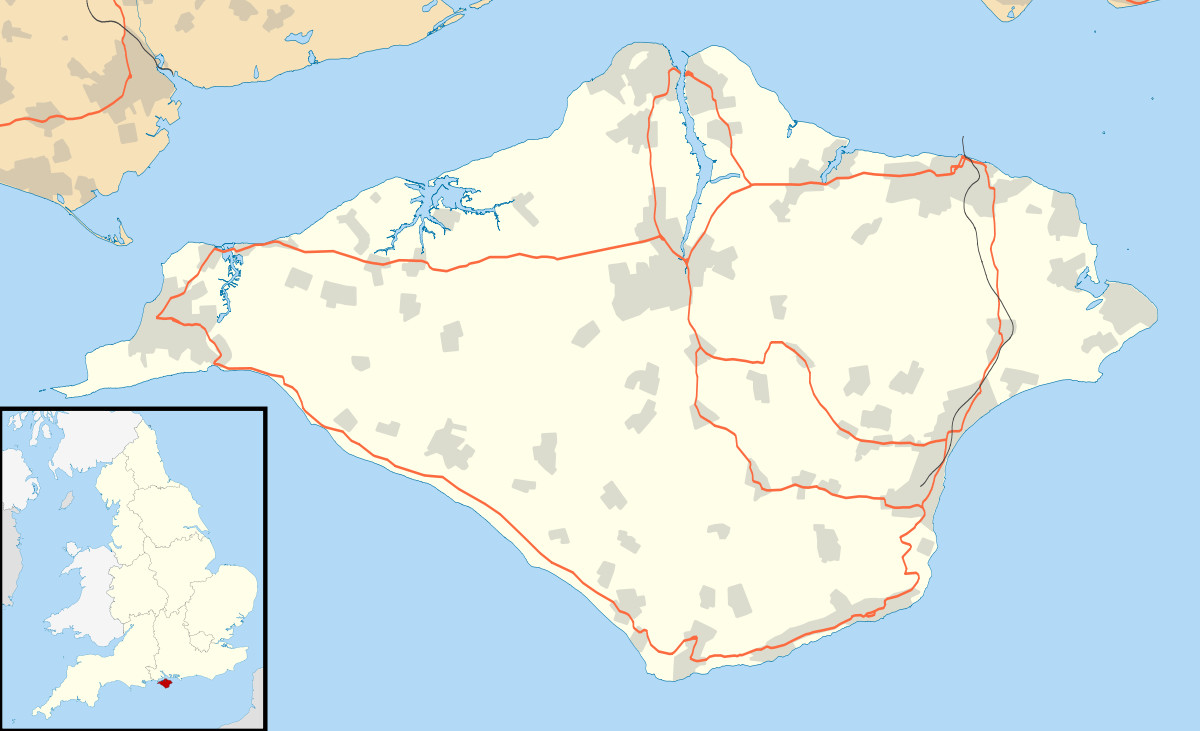
1200px Isle of Wight UK location mapg, Source : en.wikipedia.org
Although the earliest maps known are of the heavens, geographic maps of territory have a very long heritage and exist from prehistoric days. The word”map” stems in the medieval Latin Mappa mundi, wherein mappa meant napkin or cloth and mundi the world. Thus,”map” grew to become the abbreviated term speaking to a two-dimensional representation of the surface of the world.
Road maps are perhaps one of the most widely used maps to day, also sort a subset of navigational maps, which likewise consist of aeronautical and nautical charts, railroad network maps, along with trekking and bicycling maps. Regarding volume, the largest number of pulled map sheets is most likely composed by local surveys, completed by municipalities, utilities, tax assessors, emergency services companies, and also other local companies.
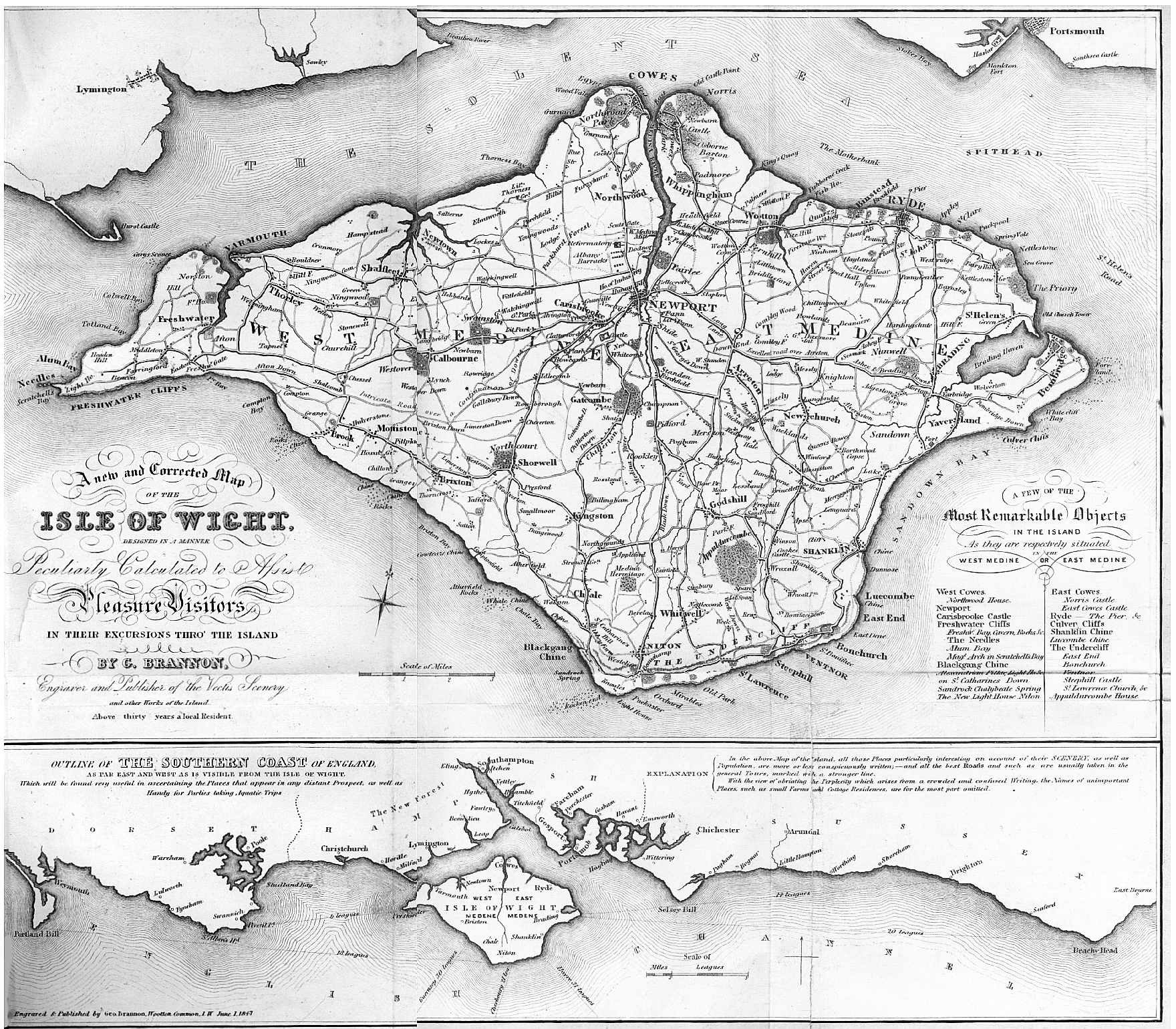
History Brannon IOW Maps Map of iow, Source : pt-labware.us
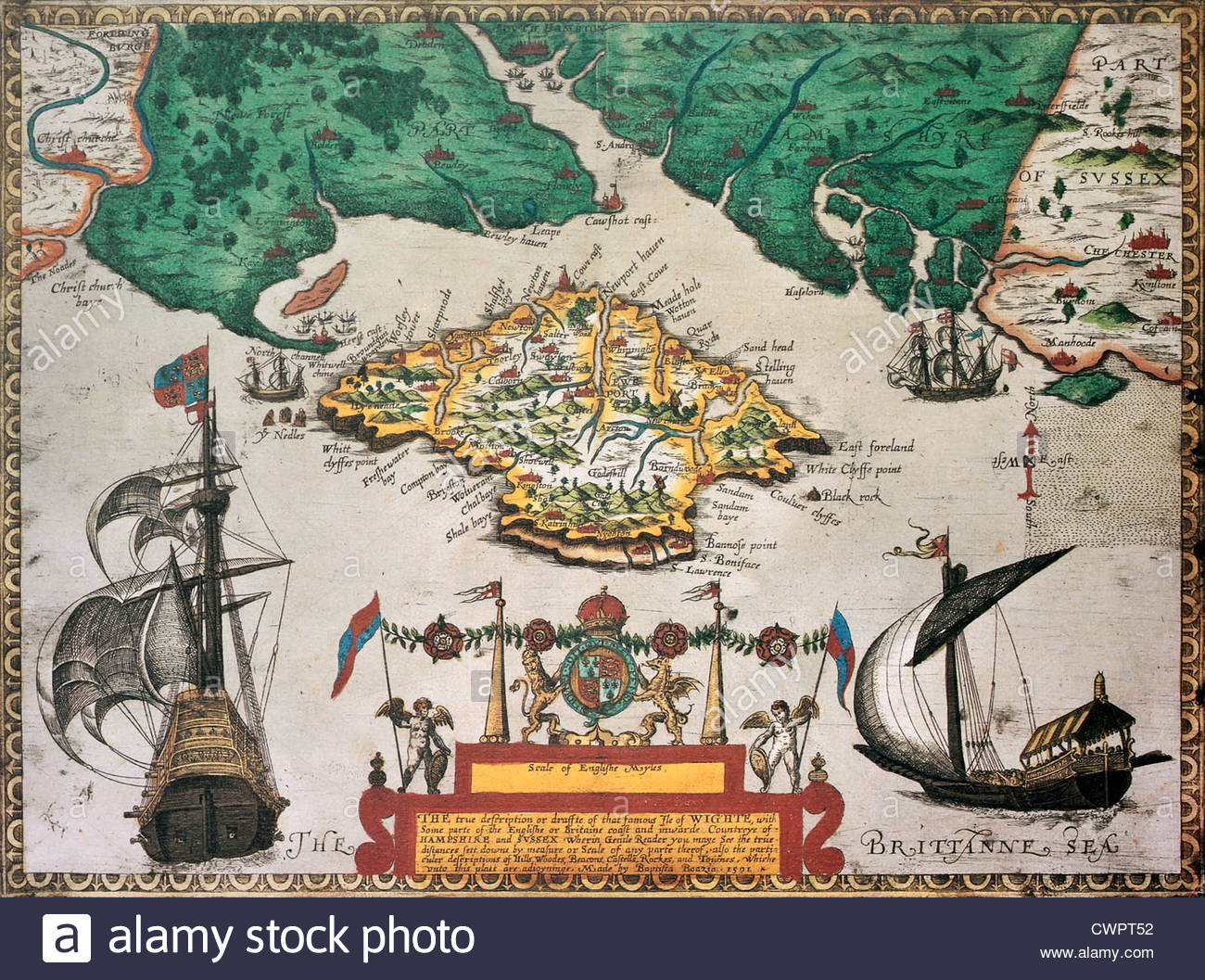
Isle of Wight old map ans southern England Stock Image, Source : alamy.com
Many national surveying projects have been carried from the army, such as the British Ordnance study: a civilian govt bureau, internationally renowned for its comprehensively thorough operate. Along with location data maps may also be used to spell out shape lines indicating steady values of altitude, temperatures, rain, etc.